

Eco-Friendly Interior Concepts and Energy-Neutral Solutions
The Rise of Eco-Friendly Interior Design
In recent years, the trend of eco-friendly interior design has gained significant traction. People are becoming more conscious of the impact their living spaces have on the environment and are actively seeking sustainable solutions for their homes.
Key Elements of Eco-Friendly Interior Design
When considering eco-friendly interior design, there are several key elements to keep in mind:
- Use of sustainable materials such as reclaimed wood, bamboo, and recycled glass
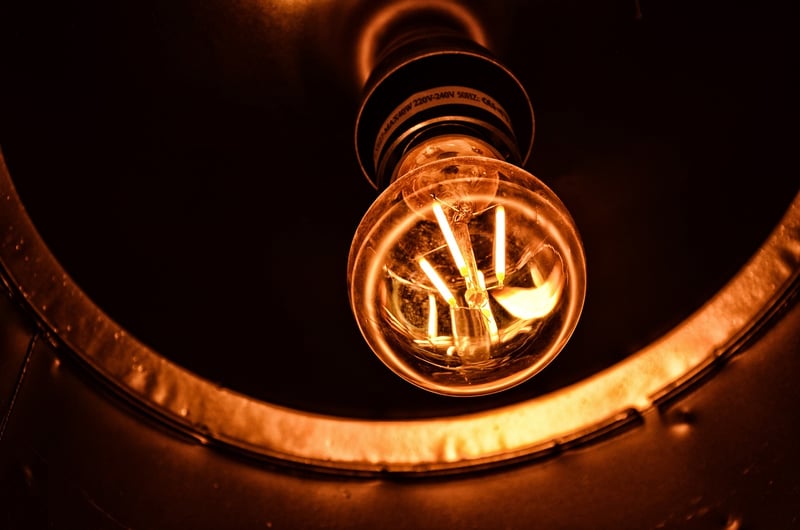
- Energy-efficient lighting solutions like LED bulbs and natural light optimization
- Low-VOC (volatile organic compounds) paints and finishes to reduce indoor air pollution
- Indoor plants to improve air quality and add a touch of nature to the space
Energy-Neutral Solutions for Your Home
Creating an energy-neutral home involves minimizing energy consumption and maximizing energy efficiency. Here are some solutions to help you achieve energy neutrality:
Solar Panels
Installing solar panels on your roof can significantly reduce your reliance on traditional energy sources. Solar energy is clean, renewable, and can help lower your electricity bills in the long run.

Energy-Efficient Appliances
Upgrading to energy-efficient appliances like refrigerators, washing machines, and air conditioners can make a big difference in your home's energy consumption. Look for appliances with the Energy Star label for maximum efficiency.

Smart Home Technology
Investing in smart home technology allows you to control and optimize your home's energy usage. Smart thermostats, lighting systems, and energy monitoring devices can help you track and reduce your energy consumption effectively.

Conclusion
By incorporating eco-friendly interior concepts and energy-neutral solutions into your home, you can create a more sustainable and efficient living space while reducing your carbon footprint. Small changes can make a big impact, both for the environment and your wallet.